Austin Alfredson
Rubb Building Systems · Integrated marketing, technical storytelling, sales enablement

Turning complex engineering into a marketing and sales engine

I go to the site, and I come back with whatever the story needs.

Rubb's products are technical, high-value, and difficult to understand from specifications alone. The marketing system had to help engineers verify the details, help owners picture the result, and give sales useful ways to start a conversation.

Client
Rubb Building Systems, U.S.
Situation
Highly engineered structures, long consideration cycles, technical and commercial buyers in the same decision.
Audience
Engineers verifying detail. Owners picturing the result. Sales starting the conversation.
My role
U.S. Marketing Manager. Audience and campaign strategy, agency leadership, paid media and reporting, technical translation, feature writing, photography, film and 360°, landing pages, trade-show tools, templates and brand systems.
What changed
+191% conversions, Q3 YoY
−47% cost per acquisition
Six national trade shows
$500,000-plus average deal size

The business situation

A Rubb structure is engineered to a site. Deals run past $500,000, take months, and are decided by people who do not read the same things: an engineer who needs the load numbers, an operator who needs to picture the finished room, a procurement lead who needs to know why this approach won.

Digital conversion had to improve, and the sales team needed practical material they could use in the field. One brochure was never going to do both.

Finding the story

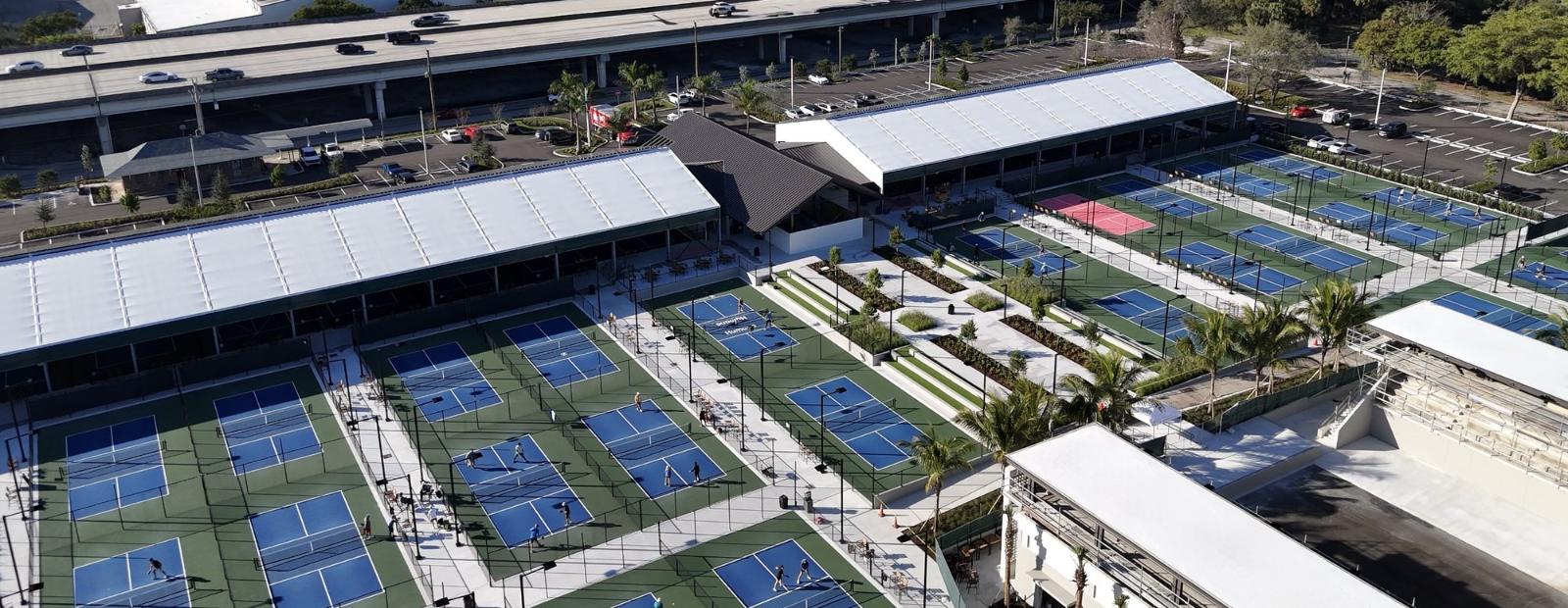
The Fort is the first purpose-built home pickleball has ever had. I shot it from the air, from the ground, and from inside a ball — a 360° camera cut so the camera becomes the ball. You get served at, you cross the net, you land. Nobody watching it is thinking about roof spans. They're thinking about playing.

Still from the point-of-view film shot from inside a pickleball at The Fort
The ball's point of view. 360° camera, four seconds, cut so the camera is the ball.
Aerial approach to The Fort Pickleball Club
At that scale, the span is the argument.
The Fort Pickleball Club seen from above
The campaign cut, for developers.

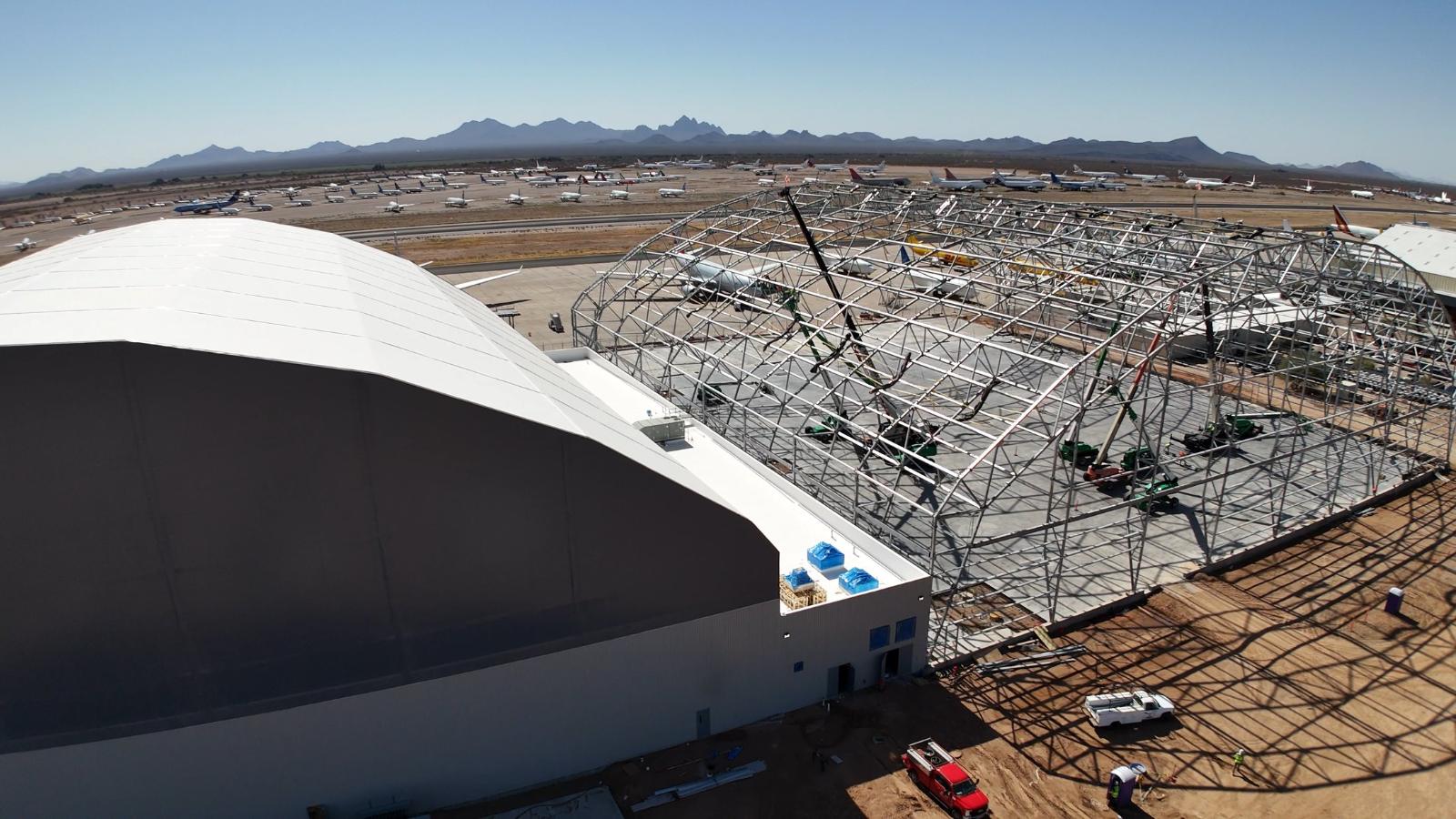
Twin Titans, the 2025 cover story, came out of one trip to Marana, Arizona. I interviewed the project leads in the morning and walked the site with a long lens in the afternoon. By the time I raised the camera, I knew which frame the story needed.
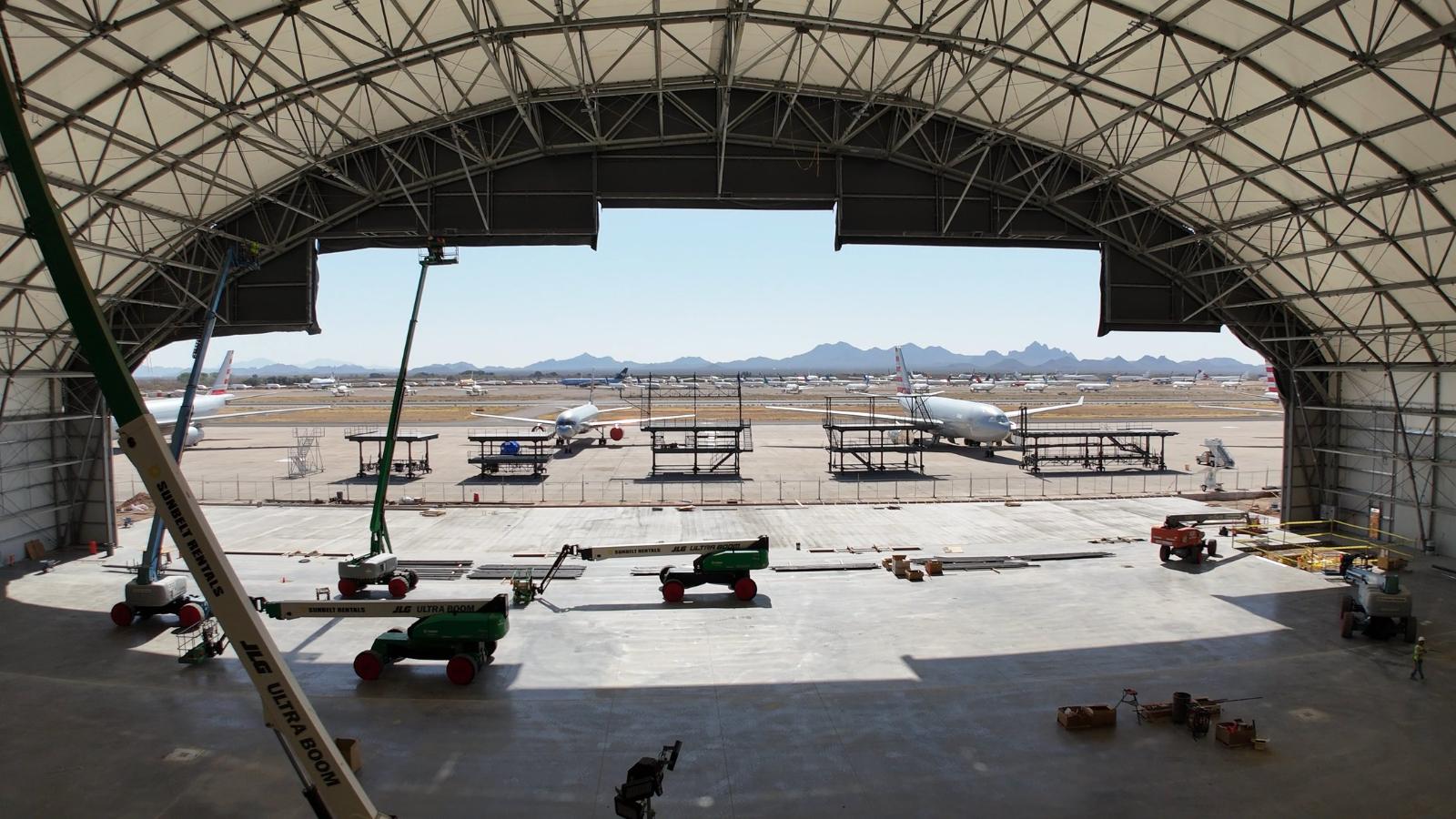
Hangar interior with the doors open to the apron
Doors open to the apron.
Steel frame with a widebody aircraft framed inside it
The wall isn't on yet, so the aeroplane does the framing.
Truss shadows falling across the finished hangar floor
The floor gets its pattern free, twice a day.
The finished hangar beside the bare frame of its twin
One finished, one still an idea in steel.
The printed Twin Titans feature spread from Fabric Engineer 2025
You work on a screen for months, and then it turns up on paper.

Three features ran in Fabric Engineer 2025: Twin Titans (the cover story), Three Mile Island — Zero Compromise, and Engineering a Pickleball Revolution. Read the issue ↗

Letting distant audiences enter the space

Sprague's crews and customers are spread across New England, and almost none of them were ever going to stand inside this building. So I built the next best thing: a walkthrough you can move around inside, with hotspots that pull up the specifications as you go. I captured it, built it, and wrote it. Go find the forklift.

Preview of the Sprague Energy 360 degree walkthrough interiorLaunch interactive walkthrough ↗

Making scale understandable

The year-in-review letter was full of numbers that do nothing on their own. 2,100,000 lbs of galvanised steel is just a lot of syllables. So we drew them. That tonnage became four and a half Statues of Liberty. 102,922 m² of membrane became a rolled-out playing field. Every figure in the letter got one.

It doesn't end on a statistic. It ends on Gary Sutryn, forty seasons on the shop floor, on a page called Built on Gratitude.

Cover page of the Here's To You year-in-review letter
Here's To You, eight pages.
Illustration of 2.1 million pounds of steel as Statues of Liberty
Four and a half Statues of Liberty.
Membrane area drawn as a rolled-out playing field
Membrane, as a field.
Illustrated page about engineering review stamps
More review stamps than a passport facility.
Built on Gratitude page profiling Gary Sutryn
Gary Sutryn. Forty seasons.

Giving sales something useful

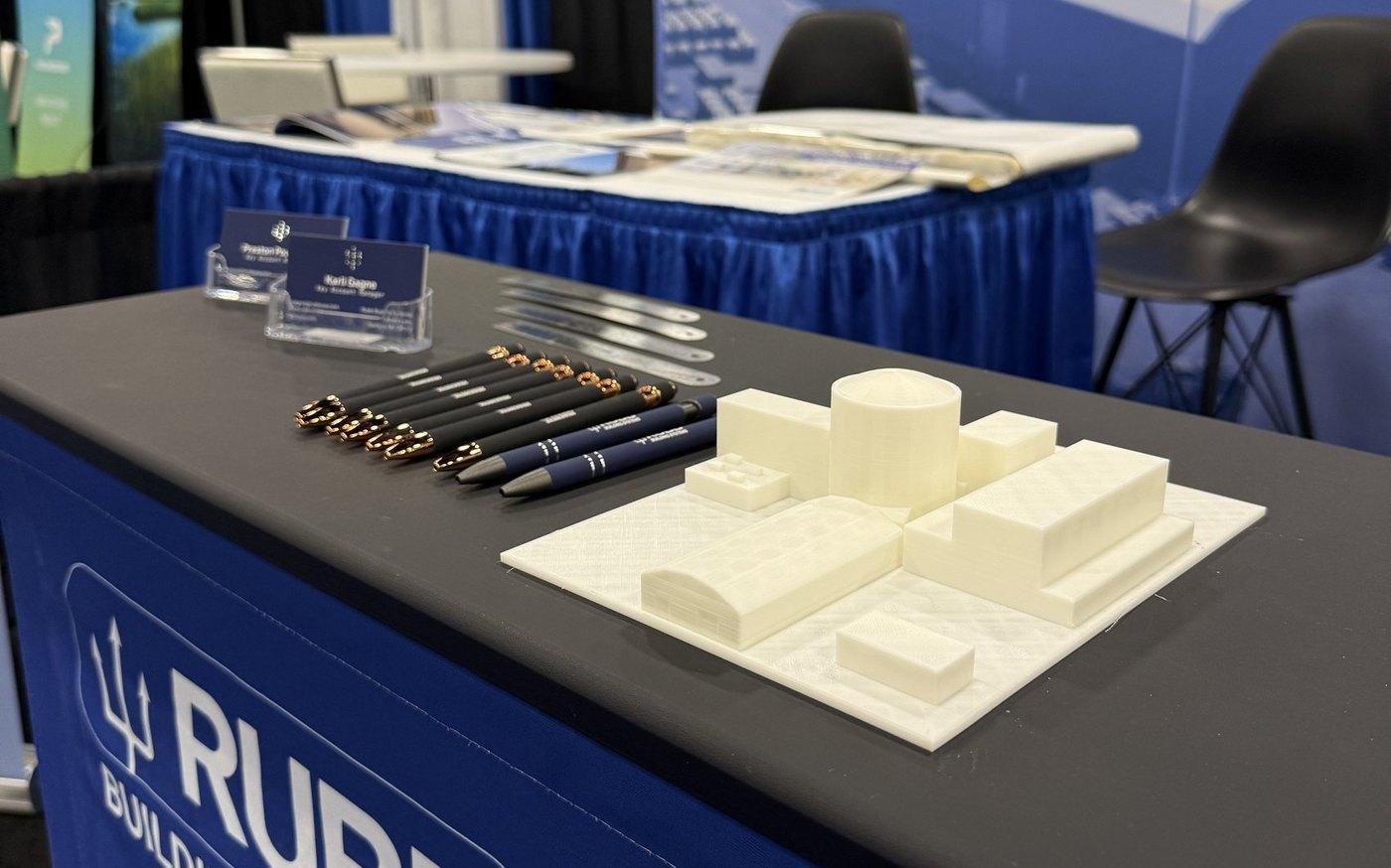
People walk past a trade-show stand half-listening, holding a coffee. So I 3D-printed the building I'd just reported on at Three Mile Island and put it on the counter. People stopped, lifted it, and started asking real questions. The client asked if they could keep it. It lives at Three Mile Island now.

The tablet next to it isn't running a slideshow. It's a flip-card interaction built around the problems an MRO facility manager already has — clearance, corrosion, heating a space that size, speed of installation, getting a hangar up before the lease runs out. You tap the one you recognise and the card turns over to show how a Rubb building answers it. People who won't take a brochure will happily start with their own problem.

3D-printed model of the Three Mile Island structure on the stand counter
The Three Mile Island site, cooling tower and all.
Flip-card interaction running on a tablet on the stand
Problem on one side, answer on the other.
Printed capability books and spec sheets on the stand
The spec sheets people actually take home.

The stand travels as one kit — backdrop, capability books, spec sheets, a tablet looping the 360° tours — so a salesperson can land in a city, set it up, and have it look right without me in the room. Underneath it sit templates, style guidance, and toolkits, so sales and engineering can produce on-brand material without waiting on marketing.

If I am the only person who can produce the work, I have created a bottleneck.

Performance

+191%
Conversions, Q3 YoY
−47%
Cost per acquisition
6
National trade shows
$500K+
Average deal size

No single artifact produced these. They came from an integrated system: media and messaging aimed at defined audiences, content that answered the questions those audiences actually ask, landing pages built to convert, continuous optimization against reporting, and sales support that kept the conversation going after the click.

What are you trying to make clearer, easier, or more useful?

Audience strategy case ↗   Lafayette case ↗
Written, shot, cut, and built by me